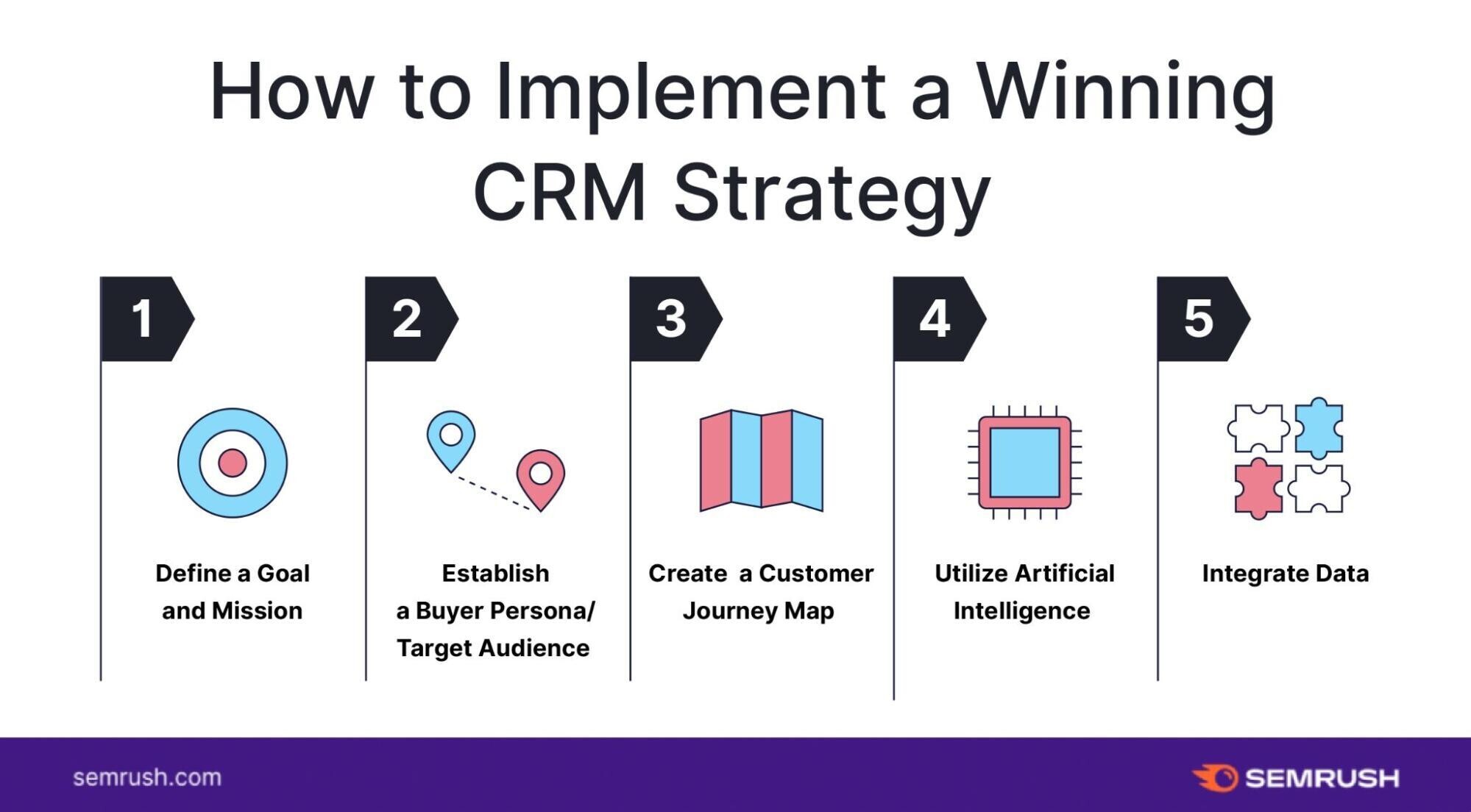
In today’s competitive marketplace, Customer Relationship Management (CRM) systems have become pivotal in crafting and executing strategic sales plans. By providing deep insights into customer behaviors, preferences, and buying cycles, CRM platforms empower sales teams to make data-driven decisions that fuel long-term growth and profitability.
The Role of CRM in Modern Sales Strategy
A well-implemented CRM system is more than just a digital address book. It is a comprehensive sales enablement tool that centralizes data, streamlines processes, and aligns sales efforts with overall business objectives. When used strategically, CRM systems allow organizations to:
- Track and analyze customer interactions
- Forecast revenue and set realistic sales goals
- Segment leads for personalized outreach
- Automate repetitive sales tasks
- Enhance collaboration across departments
By integrating these capabilities, CRM platforms lay the groundwork for building scalable and effective sales strategies.
Data-Driven Decision Making for Strategic Sales Execution
At the heart of any strategic sales plan is actionable data. CRMs collect and store extensive customer information, from demographics and communication history to purchasing habits and feedback. This data becomes the foundation for:
- Sales forecasting: Accurate predictions based on historical and real-time data
- Lead prioritization: Identifying the most promising prospects through scoring models
- Performance tracking: Monitoring key metrics like conversion rates, deal velocity, and pipeline value
With these insights, sales leaders can adjust tactics quickly to meet shifting market demands and customer expectations.
Aligning CRM with the Sales Funnel
A CRM system supports every stage of the sales funnel, from lead generation to post-sale follow-up. Here’s how CRM enhances each stage:
Lead Generation and Capture
Modern CRMs integrate seamlessly with marketing tools to capture leads from multiple channels, such as social media, landing pages, and email campaigns. Each new contact is automatically added to the system, categorized, and assigned for nurturing.
Lead Qualification and Scoring
Using predefined rules and AI-powered analytics, CRMs evaluate each lead’s likelihood to convert. This ensures that sales reps focus their efforts on high-value opportunities, reducing wasted time and increasing win rates.
Sales Engagement and Conversion
CRM platforms enable personalized engagement through automated email sequences, reminders, and task management. Reps can view the entire customer journey in one dashboard, making it easier to tailor their pitch and close deals faster.
Post-Sale Relationship Management
After the sale, CRMs help maintain relationships through automated follow-ups, surveys, and upsell offers. Satisfied customers become repeat buyers and brand advocates, fueling organic growth.
Sales Forecasting and Pipeline Visibility
An effective CRM provides real-time pipeline visibility, enabling teams to forecast accurately and manage resources proactively. Features such as:
- Custom dashboards
- Automated reporting
- Revenue tracking
…allow managers to see which deals are at risk, which reps are over- or underperforming, and how current performance aligns with quarterly or annual goals. With this clarity, leadership can adjust quotas, redirect efforts, and optimize sales territories for maximum ROI.
Personalization at Scale
Today’s buyers expect personalized communication throughout the sales process. CRMs support this need by:
- Segmenting contacts based on behavior, location, and demographics
- Storing detailed interaction histories
- Integrating with email marketing and automation platforms
This enables mass personalization, where each prospect receives relevant messaging without manual input from the sales rep. The result is higher engagement rates and improved trust, both of which are crucial to successful selling.
Boosting Team Collaboration and Productivity
CRM systems break down silos between departments. Sales, marketing, customer support, and product teams can collaborate in real-time, sharing insights that enhance the customer experience. Features that support this include:
- Shared notes and task management
- Team-based workflows
- Centralized communication logs
This alignment leads to faster response times, more consistent messaging, and a seamless journey for the customer, all of which directly contribute to increased conversions and customer loyalty.
Automating Routine Sales Tasks
Time-consuming manual processes like data entry, follow-up emails, and meeting scheduling can drain valuable time from sales teams. CRM automation helps eliminate these bottlenecks through:
- Trigger-based workflows
- Automatic record updates
- Integrated calendars and reminders
With automation in place, reps can focus more on selling and less on administration, driving higher productivity and deal closure rates.
Real-Time Reporting and Sales Analytics
CRM platforms offer in-depth analytics dashboards that deliver insights into every aspect of the sales process. From deal velocity and customer acquisition cost to lifetime value and churn rates, these metrics provide a 360-degree view of performance. Advanced CRMs even offer predictive analytics, allowing teams to:
- Anticipate customer needs
- Identify trends before they arise
- Make informed decisions faster than the competition
With such powerful tools, organizations can refine their sales strategies continuously, ensuring ongoing success.
CRM as a Catalyst for Continuous Improvement
Sales strategies must evolve with changing market conditions, customer preferences, and technological advancements. A CRM system supports this evolution by:
- Tracking changes in customer behavior
- Highlighting gaps in the sales process
- Enabling A/B testing of messaging and outreach strategies
With these capabilities, companies can embrace a culture of continuous improvement, keeping their sales plans agile and their teams competitive.
Conclusion: CRM is the Strategic Backbone of Sales
A robust CRM system doesn’t just support sales — it drives it. From pipeline management to customer retention, CRMs provide the data, automation, and collaboration tools necessary for building and executing strategic sales plans that deliver results.
By leveraging CRM to its full potential, organizations position themselves to outperform competitors, enhance customer satisfaction, and achieve sustainable revenue growth.