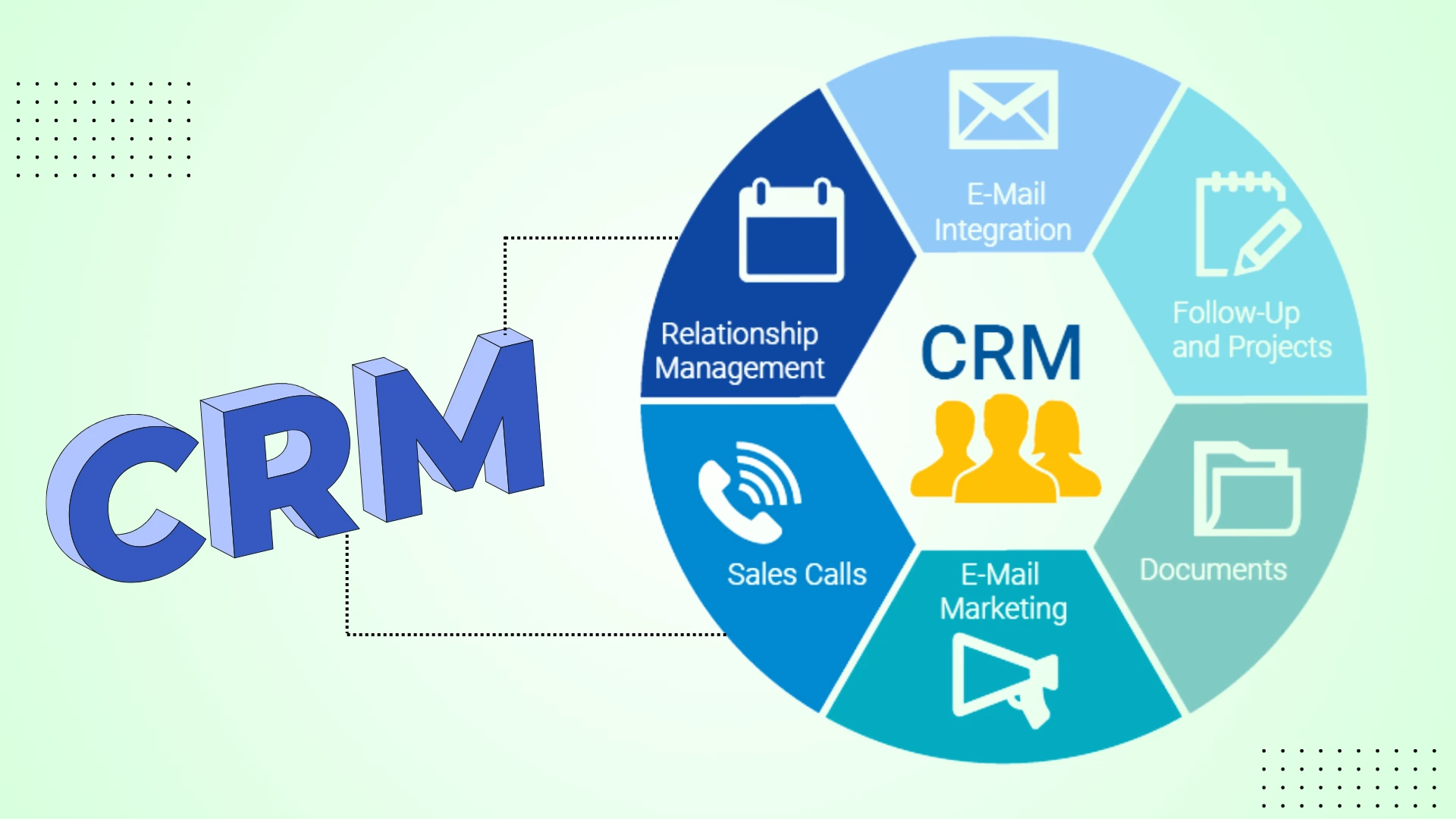
In a competitive, customer-centric marketplace, standing still is falling behind. Today’s most successful businesses are those committed to continuous improvement—an ongoing effort to refine processes, elevate experiences, and deliver greater value. One of the most powerful enablers of this mindset is a modern Customer Relationship Management (CRM) system.
A CRM that fuels continuous improvement goes beyond storing customer data. It acts as a dynamic engine for real-time feedback, intelligent automation, data-driven decision-making, and cross-functional collaboration. By integrating CRM into your daily operations, you create a business environment where every customer interaction becomes an opportunity to evolve, improve, and grow.
Why Continuous Improvement Matters More Than Ever
Markets change rapidly. Customer expectations shift. Competitors innovate. The only sustainable path forward is a culture of ongoing optimization.
Continuous improvement delivers:
- Enhanced customer satisfaction
- Higher operational efficiency
- Faster response to market changes
- Stronger team alignment
- Sustainable growth through incremental innovation
CRM platforms are perfectly positioned to support these goals by providing the tools and insights necessary to identify, act on, and measure improvements in real time.
Core Ways CRM Supports Continuous Improvement
1. Centralized Customer Feedback Loop
Feedback is the fuel of continuous improvement. A CRM allows you to:
- Capture customer feedback through forms, surveys, and service interactions
- Track Net Promoter Scores (NPS) and Customer Satisfaction Scores (CSAT)
- Monitor support tickets, complaints, and recurring issues
- Store historical insights for trend analysis
With this data centralized, businesses can identify patterns, prioritize fixes, and implement solutions based on actual customer experiences.
CRM Insight: Use automated workflows to trigger follow-up actions after negative feedback—turning dissatisfaction into loyalty.
2. Real-Time Performance Monitoring and Reporting
Modern CRMs provide real-time dashboards and customizable reports to help teams track:
- Lead conversion rates
- Sales performance by rep, team, or region
- Customer retention metrics
- Marketing campaign ROI
- Service response and resolution times
This constant visibility enables you to quickly detect inefficiencies and make evidence-based decisions that drive improvement across every department.
Example: If your CRM shows that conversion rates dropped after a new email template launch, your marketing team can immediately A/B test alternatives.
3. Workflow Automation to Eliminate Inefficiencies
Manual, repetitive tasks are enemies of innovation. CRM platforms empower businesses to create automated workflows that:
- Assign leads to the right sales reps
- Trigger personalized emails based on behavior
- Send reminders for follow-ups or contract renewals
- Escalate unresolved support cases automatically
By removing the burden of routine tasks, your team can focus on value-added activities and continuous process refinement.
Quick Win: Set up alerts when leads go untouched for more than 48 hours, ensuring no opportunity is wasted.
4. Data-Driven Decision Making
Without accurate data, improvement efforts are guesswork. A CRM gathers and analyzes:
- Customer behavior patterns
- Demographic trends
- Purchase history and lifetime value
- Engagement across channels
This information allows managers to fine-tune marketing strategies, optimize sales pitches, and enhance service protocols—all grounded in actionable intelligence.
Pro Tip: Integrate your CRM with analytics tools like Google Data Studio or Power BI to visualize KPIs and make continuous improvement visible company-wide.
5. Personalization That Evolves With the Customer
True improvement isn’t just internal—it’s reflected in how customers experience your brand. CRM systems enable personalized communication, offers, and support that adapt to each customer’s journey.
As customer data evolves, so do the opportunities to:
- Update segmentation
- Adjust messaging
- Refine upselling strategies
- Improve onboarding experiences
Every interaction becomes a data point that feeds a cycle of learning and iteration, enhancing satisfaction and lifetime value.
6. Training and Team Development
CRM reports can highlight not only external performance but also internal skill gaps and productivity trends. Sales reps who consistently underperform can be flagged for coaching. Support agents who excel can be used as models for training.
Using CRM to track individual and team KPIs helps:
- Set measurable improvement goals
- Deliver targeted coaching
- Reward progress and performance
CRM Tip: Use CRM-integrated learning management tools (LMS) to automate training pathways based on user performance.
7. Cross-Departmental Alignment
One of the most overlooked benefits of CRM for continuous improvement is its ability to unite departments under a shared data ecosystem. Sales, marketing, customer service, and operations can all access a single source of truth, leading to:
- Fewer misunderstandings
- Clearer handoffs
- Better customer experiences
- Unified improvement initiatives
When departments work from shared metrics and shared goals, improvement becomes a collaborative, company-wide initiative, not a siloed effort.
Characteristics of a CRM That Supports Continuous Improvement
Not all CRMs are created equal. To support a culture of improvement, your CRM should offer:
- Customizable dashboards and KPIs
- Automated workflows and triggers
- Integrated feedback tools (NPS, CSAT, surveys)
- Advanced segmentation and personalization
- Mobile and cloud accessibility
- Third-party integrations (email, analytics, ERP, support platforms)
- AI-powered insights for forecasting and optimization
CRMs like HubSpot, Salesforce, Zoho CRM, and Pipedrive are excellent choices for businesses looking to adopt continuous improvement as a long-term strategy.
Steps to Build Continuous Improvement Into Your CRM Strategy
- Define Clear KPIs
Set goals that are measurable, relevant, and tied to customer satisfaction and business efficiency. - Encourage Feedback at All Levels
Create automated feedback loops and open channels for both customers and employees. - Monitor, Report, Act
Make use of real-time dashboards and ensure insights lead to real action. - Automate Where Possible
Use automation to reduce errors, speed up operations, and increase consistency. - Continuously Train and Adapt
Use CRM insights to identify training needs and track progress. - Review and Refine Regularly
Hold monthly or quarterly reviews of CRM performance metrics to identify new improvement opportunities.
Industries Benefiting from CRM-Driven Improvement
- Retail: Improve inventory suggestions, customer loyalty, and in-store experience tracking.
- Healthcare: Enhance patient follow-ups, appointment management, and care quality.
- Finance: Streamline client onboarding, investment tracking, and personalized offers.
- SaaS: Increase user adoption, reduce churn, and optimize feature rollouts.
- Education: Track student engagement and performance for ongoing curriculum improvement.
Conclusion: A CRM Culture That Never Stops Improving
A CRM that fuels continuous improvement is more than a tech investment—it’s a philosophy of growth and excellence. When integrated into every aspect of your business, CRM becomes the central nervous system that detects, responds, and adapts—ensuring you’re always one step ahead of expectations, competitors, and market changes.