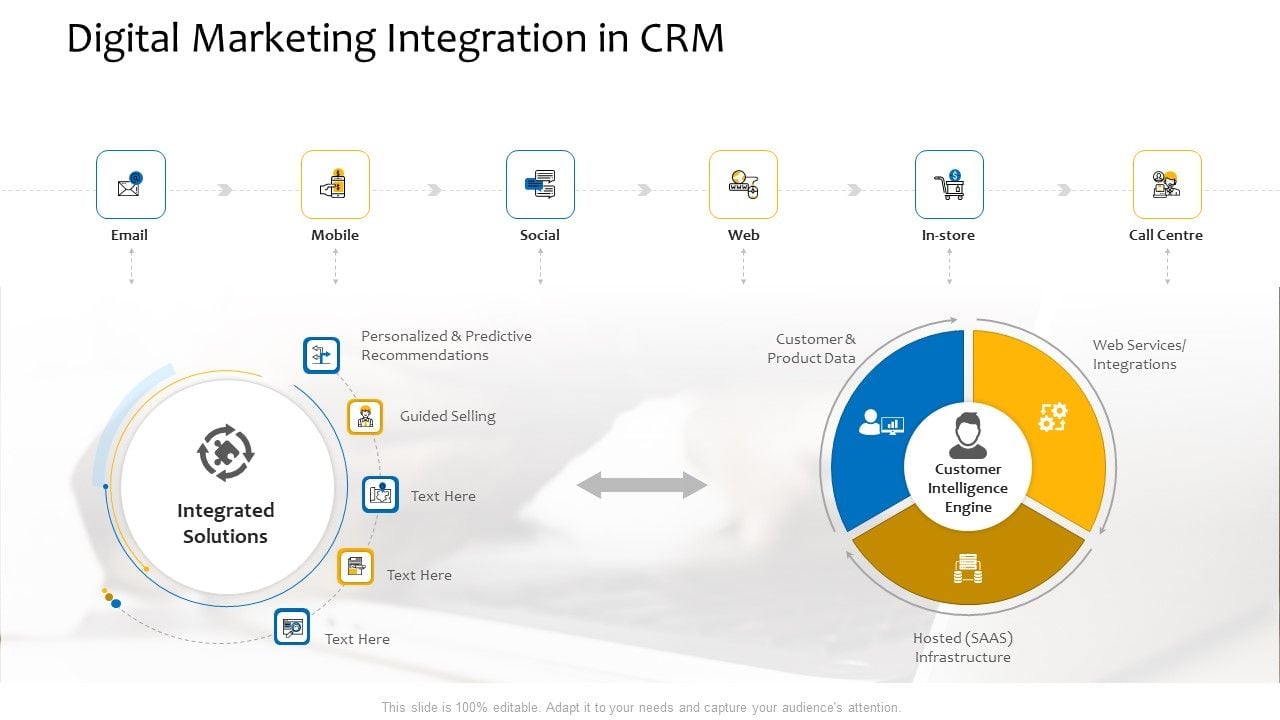
In the digital economy, products are no longer static—they evolve continuously based on user behavior, market shifts, and real-time feedback. To manage these dynamics effectively, businesses need more than just product roadmaps and agile development. They need a Customer Relationship Management (CRM) system built to support digital product management at every stage of the lifecycle.
CRM for digital product management enables teams to align product development with customer insights, drive user engagement, and foster loyalty. By integrating CRM into the product management workflow, businesses can transform how they build, refine, and scale digital products—resulting in better experiences, higher adoption, and sustainable growth.
The Shift Toward Customer-Centric Product Management
Traditional product management focuses on features and functionality. Modern digital product management, however, prioritizes user-centric design and customer outcomes. Success is measured not just by how well a product works, but how well it solves problems and delivers value.
This shift requires real-time access to:
- Customer feedback and usage data
- Behavioral trends and churn signals
- Onboarding journeys and engagement patterns
- Segmentation and personalization opportunities
All of these live in one place: your CRM system.
How CRM Powers Every Stage of Digital Product Management
1. Customer Discovery and Market Validation
Before building or launching a digital product, CRM helps identify:
- High-value segments
- Existing pain points
- Feature requests and feedback loops
- Engagement metrics from similar products or trials
Using CRM analytics and contact history, product managers can validate assumptions with actual user data. This ensures the roadmap is based on real customer needs, not guesses.
Pro Tip: Use CRM to create surveys, track open-ended feedback, and tag user insights during beta testing or interviews.
2. Roadmapping with Customer-Centric Prioritization
A CRM gives product teams a direct line to user feedback, helping them prioritize features that will have the most impact. Instead of relying solely on internal discussions, teams can:
- Score feature requests by customer value
- Prioritize development based on pain point frequency
- Align roadmap decisions with user personas and engagement data
This customer-driven approach ensures the product roadmap reflects what users actually want and need, increasing satisfaction and retention.
3. Onboarding and Activation
Launching a digital product is just the beginning. Effective onboarding is critical to ensuring adoption and engagement. CRM helps by:
- Automating welcome emails and tutorials
- Tracking user progress through onboarding flows
- Triggering reminders and support based on user behavior
- Identifying drop-off points and friction areas
CRM Workflow Example:
A user signs up for your app → CRM triggers a 5-day onboarding email series → If the user doesn’t complete setup, the CRM notifies your success team to intervene.
4. Feature Adoption and Usage Tracking
CRM systems integrated with product analytics can track:
- Which features are used most frequently
- Where users encounter obstacles
- How behavior differs by segment or role
- What patterns lead to upsells or churn
This level of visibility enables continuous iteration, ensuring that updates and improvements are tied directly to real user behavior.
Integration Tip: Connect your CRM with tools like Mixpanel, Amplitude, or Hotjar to bridge the gap between contact data and in-app behavior.
5. Personalized Communication and Engagement
CRMs excel at delivering hyper-personalized experiences. For digital products, this translates to:
- Dynamic emails based on feature usage
- Targeted tips and tricks based on activity levels
- Role-specific content delivery
- Custom upsell offers triggered by user milestones
These tailored communications enhance the customer journey, increase product stickiness, and drive feature adoption.
Example:
If a user hasn’t tried a key feature within 7 days, your CRM can automatically send a personalized guide or schedule a walkthrough with support.
6. Support and Success Workflow Management
Digital product success isn’t just about design and development—it’s also about support. CRM plays a key role in managing:
- Support ticket histories and resolutions
- Customer success interactions and follow-ups
- Account health scores and churn risk alerts
- Proactive outreach to at-risk users
With CRM as a central hub, support and success teams can act with context, providing faster, more effective solutions that feed into product decisions.
7. Feedback Collection and Continuous Improvement
A modern CRM system helps close the loop between customer feedback and product updates. Teams can:
- Collect in-app feedback and route it to the product team
- Tag feature requests and aggregate them by priority
- Analyze NPS/CSAT scores over time by segment
- Monitor product reviews and social mentions
This feedback can then directly influence the next product cycle, ensuring your digital product evolves with the needs of your users.
8. Customer Retention and Lifecycle Management
Your CRM can manage the full customer lifecycle, from free trials to renewals and upsells. With lifecycle automation and segmentation, product managers and success teams can:
- Identify when users are ready for an upgrade
- Detect early signs of churn through inactivity
- Send renewal reminders or contract updates
- Personalize re-engagement campaigns
A CRM-centric lifecycle approach improves retention, boosts LTV, and supports scalable product-led growth.
Essential CRM Features for Digital Product Management
To truly support product management, your CRM should offer:
- Workflow Automation – Triggered communications and task assignments
- Behavioral Tracking – Integration with product analytics tools
- Custom Fields & Tags – Track user roles, product tier, engagement level
- Customer Feedback Tools – Surveys, NPS, support ticketing
- Segmentation – Group users by usage, industry, plan, or behavior
- Reporting & Dashboards – Visualize trends and identify friction points
- Integrations – Sync with product, billing, support, and marketing systems
Platforms such as HubSpot, Salesforce, Zoho CRM, and Intercom offer strong features tailored to SaaS and digital product environments.
Benefits of Using CRM for Digital Product Management
✅ Align product development with customer needs
✅ Improve onboarding and feature adoption
✅ Enhance communication across teams
✅ Support data-driven roadmaps
✅ Drive retention and reduce churn
✅ Close the feedback loop
✅ Enable product-led growth strategies
Industries Leveraging CRM for Product Innovation
- SaaS Platforms – Optimize feature usage and reduce churn
- EdTech – Personalize learning pathways and content delivery
- FinTech – Guide users through complex onboarding flows
- Healthcare Apps – Track engagement and guide care journeys
- eCommerce Tools – Align feature development with seller insights
Conclusion: Empower Smarter Product Management with CRM
A digital product’s success hinges on its ability to respond to user needs, deliver seamless experiences, and continuously evolve. A powerful CRM is more than just a sales tool—it’s a strategic asset for product managers seeking to build better, smarter, and more user-aligned products.