In today’s competitive marketplace, loyal customers are no longer enough. The most valuable customers are those who become brand advocates—individuals who promote your business organically through referrals, reviews, and social sharing. To turn satisfied customers into powerful ambassadors, businesses must take a proactive approach using a strategic tool: the advocacy funnel.
Building advocacy funnels in your CRM allows you to seamlessly guide customers from initial interest to enthusiastic advocacy. With a structured system in place, powered by automation and data, you can identify potential advocates, nurture loyalty, and amplify their voice—turning happy clients into your most effective marketers.
What Is an Advocacy Funnel?
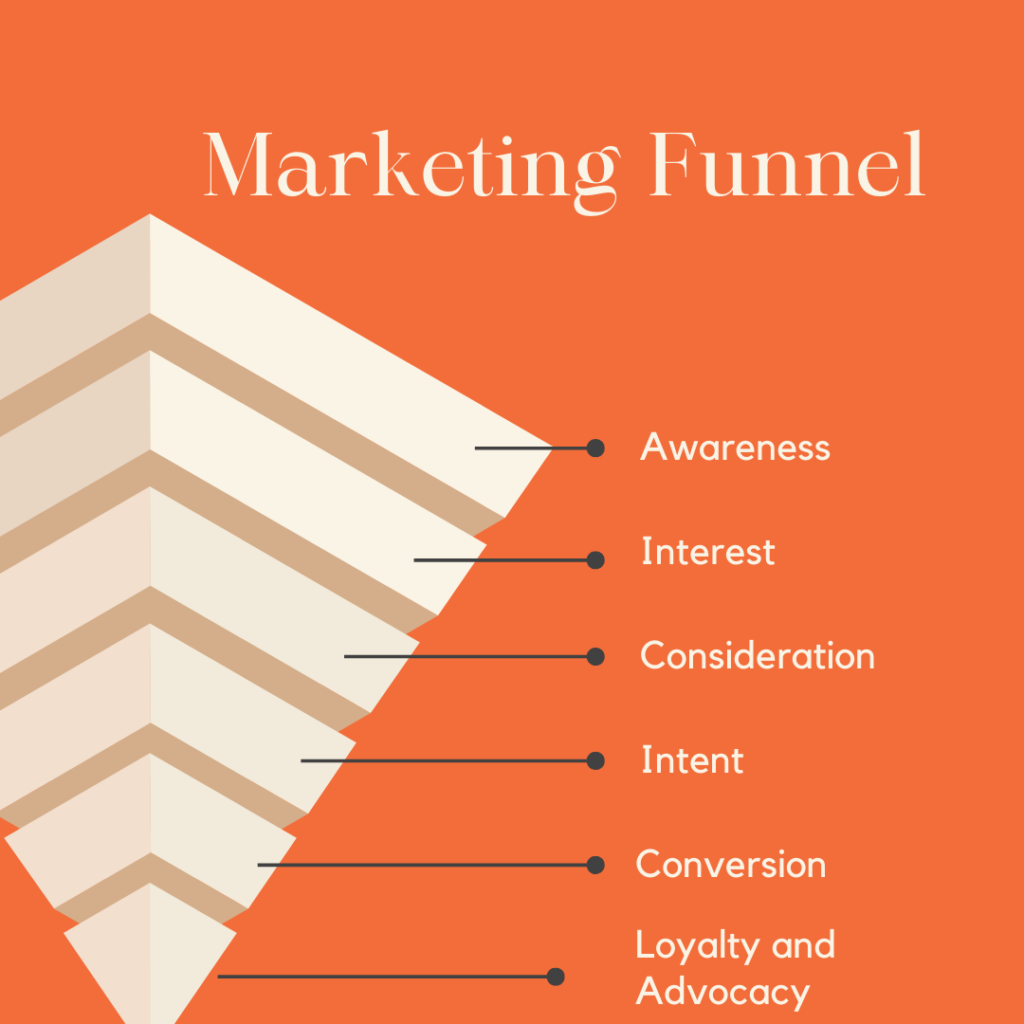
An advocacy funnel is a targeted marketing and engagement strategy that converts customers into loyal brand champions. It extends beyond the traditional sales funnel (Awareness → Consideration → Purchase) by including two vital stages:
- Loyalty – Building long-term relationships through excellent service and value.
- Advocacy – Encouraging customers to actively promote your brand through referrals, testimonials, reviews, and social media.
The goal is to systematically foster advocacy using CRM tools, making the process repeatable, measurable, and scalable.
Why Use CRM to Build Advocacy Funnels?
A modern Customer Relationship Management (CRM) system provides the perfect infrastructure for advocacy funnels because it enables you to:
- Track customer journeys across all touchpoints
- Segment your audience by loyalty or engagement levels
- Automate engagement and referral triggers
- Collect and store testimonials and feedback
- Measure campaign effectiveness and ROI
By leveraging your CRM, you can design personalized pathways that guide loyal customers toward advocacy—without overwhelming your marketing team.
Stages of an Effective Advocacy Funnel in CRM
Let’s break down how a CRM supports each stage of the advocacy funnel and what actions you should automate or optimize at each step.
1. Acquisition: Start With the Right Customers
Before you build advocates, you need the right customers. Use your CRM to attract high-value prospects through:
- Lead scoring based on engagement and fit
- Automated email sequences introducing brand values
- Conversion tracking to identify the most engaged leads
CRM Tip: Segment new leads by source and interest to tailor onboarding stories that align with their expectations.
2. Onboarding: Set the Stage for Loyalty
A smooth onboarding experience is the foundation for future advocacy. Your CRM can support this stage by:
- Automating welcome emails and tutorials
- Scheduling check-in reminders for your team
- Tracking user behavior to flag early engagement drop-offs
CRM Tip: Use drip campaigns to educate and delight new customers in the first 30 days.
3. Engagement: Build Trust and Value
Ongoing value creation is what turns one-time buyers into loyal customers. Use your CRM to:
- Send personalized product or feature tips
- Trigger usage-based support or guidance emails
- Offer loyalty rewards or exclusive content
CRM Tip: Use behavior-triggered automation (e.g., “hasn’t logged in for 7 days”) to re-engage customers proactively.
4. Satisfaction: Capture Feedback and Sentiment
Before someone becomes an advocate, they need to feel heard and valued. Your CRM helps you:
- Send automated surveys after key touchpoints
- Collect NPS (Net Promoter Score) data
- Tag and categorize feedback for later use
CRM Tip: Use NPS scores to segment promoters and detractors. Focus your advocacy efforts on those with high scores.
5. Advocacy Activation: Encourage Sharing and Referrals
Now that you’ve identified your happiest customers, it’s time to turn them into advocates. Your CRM can automate:
- Referral program invitations
- Review requests via email or SMS
- Social sharing prompts and campaigns
- Exclusive ambassador programs or communities
CRM Tip: Use milestone-based triggers (e.g., “completed 5 purchases”) to prompt referral incentives or testimonial requests.
6. Amplification: Promote Advocate Content
Showcasing and rewarding advocacy increases participation and brand credibility. Use your CRM to:
- Track referral revenue
- Publish and tag testimonials
- Share user-generated content (UGC)
- Highlight top advocates in newsletters or community shoutouts
CRM Tip: Integrate your CRM with social media tools and review platforms to monitor and manage user contributions.
Key CRM Features That Power Advocacy Funnels
To build a seamless advocacy funnel, ensure your CRM includes the following features:
- Segmentation – Group users by behavior, satisfaction, and lifecycle stage
- Marketing Automation – Trigger personalized emails, rewards, and referrals
- Feedback Collection Tools – NPS, CSAT, and post-purchase surveys
- Referral Program Integration – Connect tools like ReferralCandy or Yotpo
- Analytics and Reporting – Measure campaign ROI, referral conversions, and advocate performance
Platforms such as HubSpot, Salesforce, Zoho CRM, and ActiveCampaign offer advanced tools for building advocacy funnels that are both scalable and customizable.
Best Practices for Building Advocacy Funnels in CRM
1. Start With Data
Use customer interaction data to identify your most satisfied users. Don’t guess—let behavior and feedback guide your strategy.
2. Personalize the Journey
Don’t treat all customers the same. Customize your messaging and incentives based on loyalty level, usage, and value.
3. Incentivize, But Authentically
Provide advocates with recognition, exclusive content, or rewards. But ensure the advocacy is genuine—not transactional.
4. Make It Easy to Advocate
Include shareable links, social buttons, and review forms in your communications. Reduce friction at every step.
5. Track and Optimize
Monitor open rates, referral stats, testimonial usage, and customer sentiment in real time. Use this data to refine your funnel continuously.
Real-World Examples of Advocacy Funnel Success
Dropbox
Dropbox famously grew by offering extra storage to customers who referred friends—a CRM-driven strategy that led to massive user growth through advocacy.
Glossier
The beauty brand uses CRM to segment loyal customers and invite them into an exclusive ambassador program. Their advocates promote products via social content and reviews.
Tesla
Tesla’s referral program, tracked via CRM, offers owners exclusive rewards and early access to new models—turning customers into evangelists.
Conclusion: Transform Customers into Advocates with CRM
Building advocacy funnels in your CRM is not just a smart marketing tactic—it’s a sustainable growth strategy. By leveraging CRM data and automation, you can systematically guide customers from first purchase to passionate promotion. The result? A loyal community that markets your brand for you, improves customer acquisition, and drives long-term revenue.