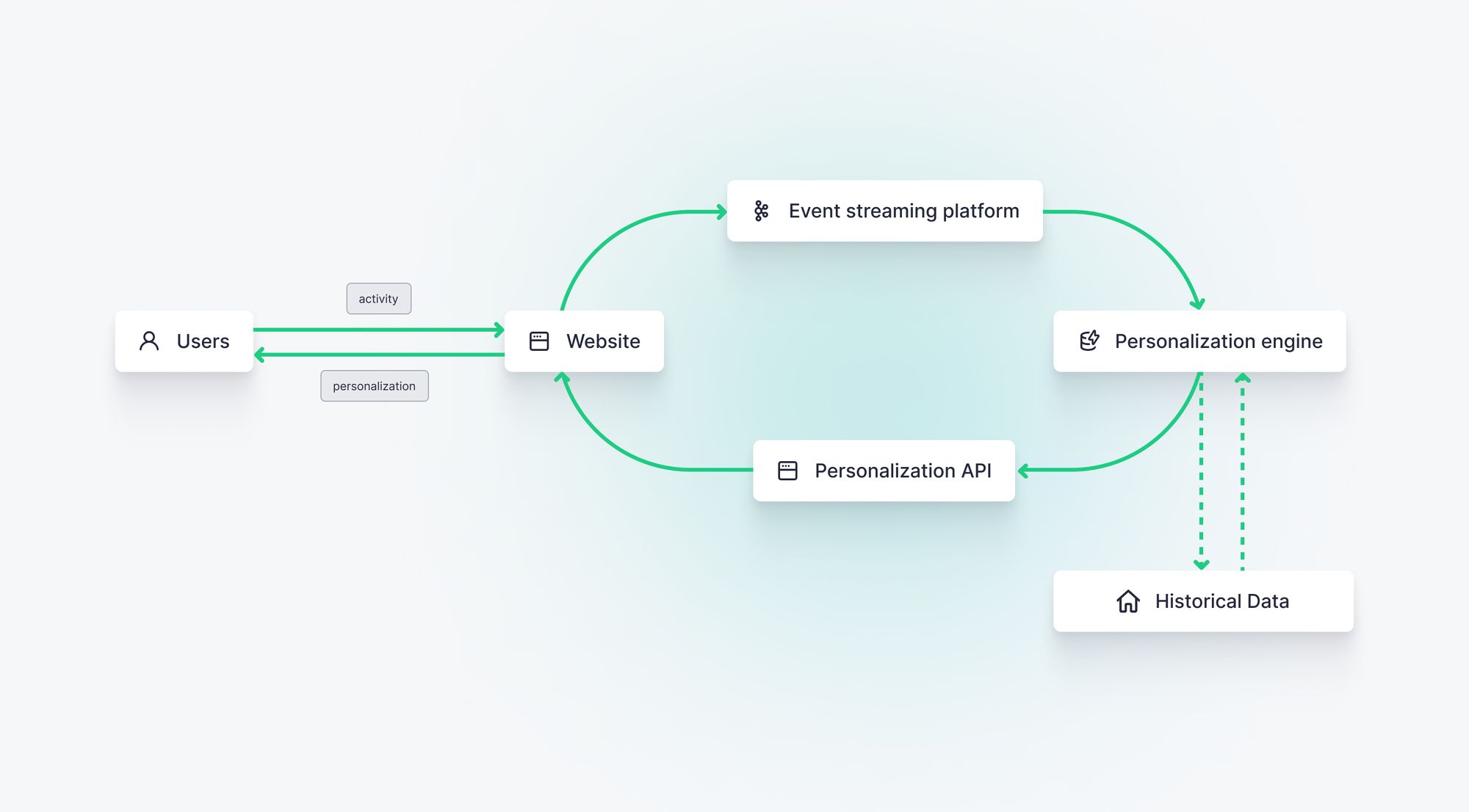
In the fast-evolving digital ecosystem, the demand for hyper-personalized customer experiences has become more critical than ever. As consumers expect relevant, tailored interactions across every touchpoint, businesses are turning to Customer Relationship Management (CRM) systems integrated with real-time personalization engines to meet and exceed these expectations. This combination is not just a trend — it’s a transformational strategy that drives engagement, conversion, and long-term loyalty.
Understanding CRM and Real-Time Personalization
What is CRM?
Customer Relationship Management (CRM) refers to the technologies, processes, and strategies that businesses use to manage customer interactions throughout the customer lifecycle. From lead generation to retention, CRM platforms offer a centralized hub for data-driven decision-making, sales automation, marketing integration, and customer support.
What are Real-Time Personalization Engines?
A real-time personalization engine is a technology that dynamically customizes digital experiences based on user behavior, preferences, and contextual data—all in real time. Whether it’s a personalized email, product recommendation, or website content adjustment, these engines use AI and machine learning to deliver highly relevant interactions instantly.
The Power of Integrating CRM with Real-Time Personalization
When CRM systems and personalization engines work in harmony, businesses unlock the ability to deliver intelligent, adaptive experiences tailored to each customer in the moment. This synergy enables brands to:
- Provide consistent omnichannel personalization
- Bridge data across departments
- Make real-time marketing decisions based on CRM data
- Enhance customer satisfaction and lifetime value
Benefits of CRM-Driven Real-Time Personalization
1. Unified Customer Profiles Across All Touchpoints
A CRM consolidates data from sales, marketing, customer service, and social media into a 360-degree customer profile. When connected with personalization engines, this profile becomes a living, evolving entity, updated in real-time as the customer interacts with the brand.
Benefits include:
- Accurate, up-to-date insights
- Elimination of data silos
- Seamless transitions between channels
2. Context-Aware Recommendations
Real-time personalization engines analyze CRM-stored data such as:
- Previous purchases
- Browsing behavior
- Support history
- Customer preferences
Using this data, they deliver highly relevant product or content recommendations. For example, an eCommerce site can dynamically adjust homepage banners or recommended items based on what the user previously viewed, even if it was just minutes ago.
3. Improved Email and Campaign Performance
CRM-integrated personalization engines can trigger automated, real-time email campaigns based on specific customer actions. For instance:
- A cart abandonment email triggered within 30 minutes of exit
- A discount offer tailored to a customer’s favorite product category
- A reminder based on prior engagement with a webinar or article
These automated yet personal interactions significantly boost open rates, click-throughs, and conversions.
Driving Engagement Through Real-Time Behavioral Insights
Behavioral data is among the most powerful sources of personalization. With real-time engines, businesses can:
- Track user behavior in milliseconds
- React immediately with personalized content
- Adapt the user journey dynamically
For instance, if a customer lingers on a particular product page, the personalization engine — fueled by CRM data — can serve a chatbot offer, discount popup, or relevant case study in real time, increasing the chances of conversion.
Real-Time Personalization in B2B vs. B2C Contexts
While often associated with B2C environments, real-time personalization powered by CRM is also reshaping B2B sales and marketing.
In B2C:
- Product suggestions based on purchase and browsing history
- Dynamic pricing and offers
- Personalized landing pages and checkout flows
In B2B:
- Account-based marketing personalization
- Personalized proposals and resource content
- Real-time sales alerts based on stakeholder behavior
In both cases, the result is higher engagement, faster conversions, and stronger relationships.
Examples of CRM and Real-Time Personalization in Action
Amazon
Amazon’s platform uses real-time data from user activity and CRM records to provide personalized recommendations, deals, and even customized email content—leading to massive increases in AOV (average order value).
Spotify
Spotify’s personalized playlists, notifications, and suggestions are powered by real-time engines that continuously process user interactions, enhanced by CRM insights like preferences, locations, and listening history.
Salesforce + Einstein AI
Salesforce, when integrated with its Einstein AI personalization layer, allows businesses to deliver real-time personalized journeys based on CRM data, behaviors, and predictive analytics.
Key Technologies Powering CRM + Real-Time Personalization
To execute this powerful integration, businesses rely on:
- Artificial Intelligence & Machine Learning: For predictive modeling and dynamic personalization
- Customer Data Platforms (CDPs): To unify data from disparate sources and feed both CRM and personalization engines
- API Integrations: For seamless real-time data exchange between systems
- Marketing Automation Tools: To scale personalized campaigns triggered by CRM events
Implementation Strategy: Best Practices for Success
To fully capitalize on the CRM and real-time personalization combination, consider the following best practices:
- Clean and Enrich Your CRM Data
Inaccurate data compromises personalization. Ensure all records are current, detailed, and consistently formatted. - Define Clear Personalization Goals
Identify what actions, segments, or customer attributes should trigger personalized content. Start with high-impact use cases like cart abandonment or post-purchase upselling. - Map the Customer Journey
Understand the key moments when personalization can influence behavior and align your personalization triggers accordingly. - Test and Optimize
Continuously A/B test messages, offers, and timing to refine your personalization engine and maximize impact. - Ensure Privacy Compliance
Be transparent about data usage and follow GDPR, CCPA, and other privacy regulations. Provide easy opt-outs and obtain consent where required.
Future of CRM and Real-Time Personalization
The future points to even deeper personalization powered by:
- Predictive AI models that anticipate customer needs before they act
- Voice and visual personalization based on natural language processing
- Hyper-personalization at the micro-moment level
- Omnichannel personalization spanning AR/VR, IoT, and emerging platforms
Businesses that invest in integrating CRM with real-time personalization will be best positioned to lead in customer experience, drive sustained engagement, and build unshakable brand loyalty.
Conclusion: Delivering Precision Experiences at Scale
Combining CRM and real-time personalization engines transforms how businesses connect with their customers. It creates a dynamic environment where every customer interaction feels unique, timely, and relevant — turning casual users into loyal advocates and boosting revenue through optimized engagement.