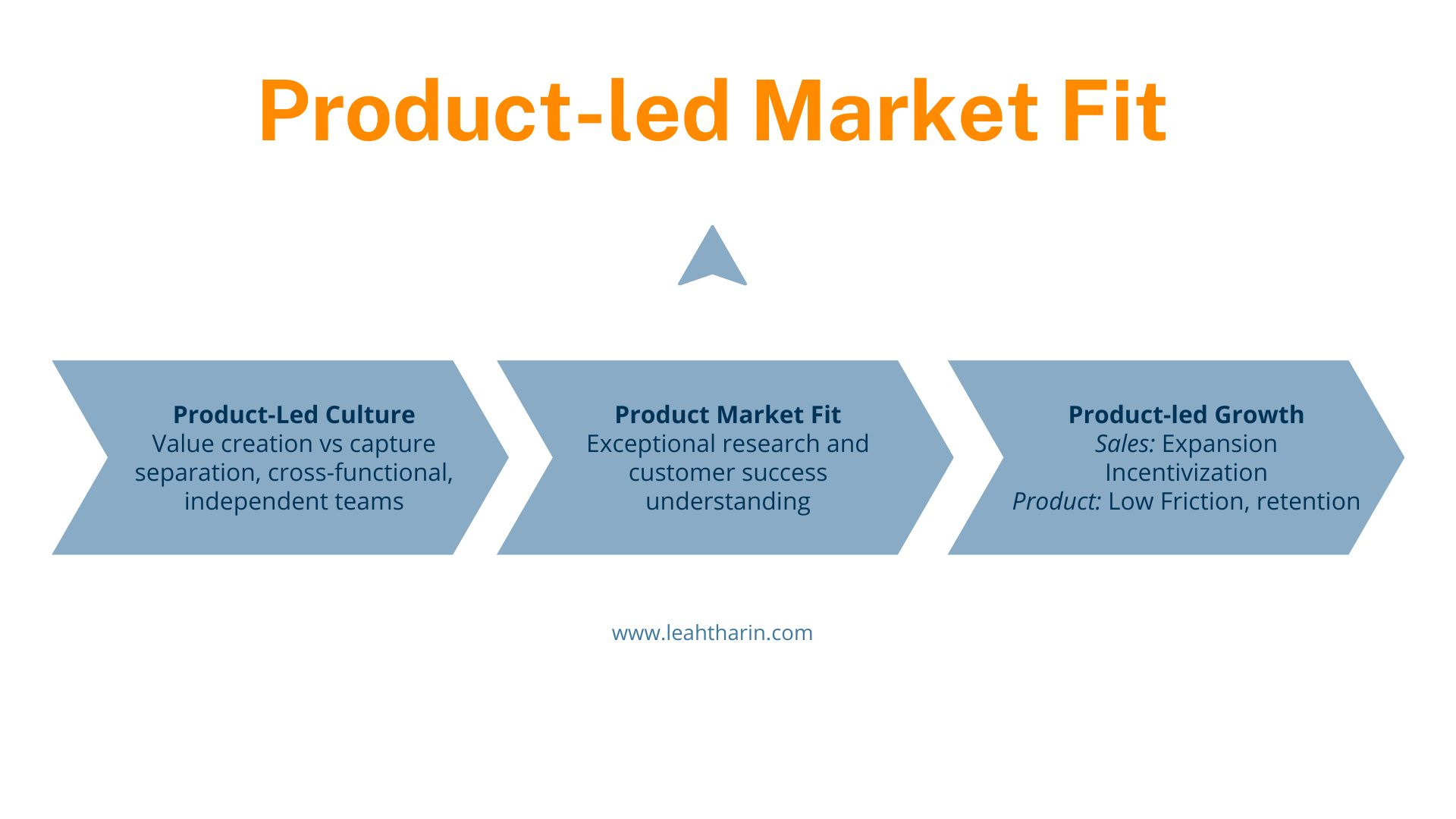
Achieving a strong product-market fit (PMF) is one of the most crucial milestones for any business aiming for sustainable growth. It means your product perfectly satisfies a clearly defined market demand. However, understanding market needs and continuously adapting your offering is complex and dynamic. This is where Customer Relationship Management (CRM) systems play a pivotal role by delivering rich customer insights, enabling precise segmentation, and facilitating iterative feedback loops.
By leveraging CRM technology, companies can enhance product-market fit through better understanding of customer pain points, preferences, and behaviors, and by aligning their product strategies accordingly.
What Is Product-Market Fit?
Product-market fit refers to the degree to which a product satisfies a strong market demand. It represents the alignment between:
- The product’s value proposition
- The target customer segment
- Market needs and trends
When product-market fit is achieved, customers actively seek your product, show high engagement, and the business enjoys strong retention and growth.
How CRM Directly Supports Product-Market Fit
1. Deep Customer Insights and Segmentation
A CRM consolidates comprehensive data about customer demographics, buying behavior, preferences, and feedback. This enables you to:
- Identify which customer segments find the most value in your product
- Understand usage patterns and product adoption rates
- Uncover unmet needs or pain points
Such granular segmentation allows for tailored product development and marketing strategies, increasing alignment with market expectations.
2. Real-Time Feedback Loops
CRM systems facilitate continuous communication with customers via surveys, support tickets, and direct engagement. This ongoing feedback:
- Informs product teams about feature effectiveness
- Highlights issues or barriers to adoption
- Suggests opportunities for innovation or improvement
This iterative feedback loop is essential for refining your product to meet evolving customer demands.
3. Tracking Customer Journey and Behavior
By mapping the customer journey through the CRM, businesses can see how customers interact with different features, where they drop off, and what drives satisfaction or churn. Behavioral analytics in CRM help to:
- Pinpoint friction points that hinder product success
- Optimize onboarding and activation flows
- Align product enhancements with actual user needs
Understanding these dynamics improves product usability and market acceptance.
4. Aligning Sales and Marketing Efforts
CRM enables tighter alignment between sales and marketing teams, ensuring consistent messaging about the product’s value proposition. When both teams access the same customer data, they can:
- Target the right market segments more effectively
- Refine positioning based on customer feedback
- Optimize campaigns that resonate with users’ pain points
This coherence reinforces product-market fit by delivering relevant value propositions.
5. Measuring KPIs Related to Product Success
Through CRM reporting and dashboards, organizations can track critical KPIs such as:
- Customer acquisition cost (CAC)
- Customer lifetime value (CLTV)
- Retention and churn rates
- Feature usage and adoption metrics
Monitoring these indicators helps validate product-market fit and guides strategic pivots when necessary.
Implementing CRM Strategies to Enhance Product-Market Fit
1. Centralize Customer Data
Ensure all customer interactions, feedback, and behavioral data flow into the CRM for a unified view.
2. Segment Customers Strategically
Use CRM segmentation to identify and prioritize key target groups for product testing and feedback.
3. Automate Feedback Collection
Set up automated surveys and follow-ups within the CRM to gather consistent, actionable insights.
4. Enable Cross-Functional Collaboration
Promote transparency between product, sales, marketing, and support teams via shared CRM dashboards.
5. Use Analytics to Drive Product Iteration
Leverage CRM analytics to continuously measure product performance and inform development cycles.
Case Study: CRM Enhances Product-Market Fit for a SaaS Company
A SaaS provider struggled with low user retention despite significant sign-ups. By integrating their CRM to track detailed user behavior and collect feedback via automated surveys, they discovered common onboarding challenges. Segmented communications and tailored in-app tutorials were implemented based on CRM insights.
Within six months:
- User retention improved by 35%
- Customer satisfaction scores increased significantly
- Feature adoption grew across targeted segments
The CRM became the cornerstone of their product-market fit improvement strategy.
Conclusion: CRM Is a Catalyst for Achieving and Sustaining Product-Market Fit
Product-market fit is not a one-time achievement but a continuous process of learning and adapting. A robust CRM system is critical in this journey, providing the data, insights, and communication tools needed to understand customers deeply and evolve products accordingly.
By embedding CRM into your product development lifecycle, you ensure your offering consistently meets market needs, drives engagement, and supports long-term business growth.